
Rider Guides & Expert Maintenance Tips, Post
How to Maintain Your Visor and Rubber Gaskets for a Silent, Waterproof Seal
May
There is a specific kind of magic that happens when you’re riding a motorcycle at highway speeds and everything is perfectly dialed in. Your engine is humming, the tires are gripping the asphalt, and inside your helmet, there is a serene, pressurized silence. This “silent cockpit” experience isn’t just about luxury; it’s a critical factor in reducing rider fatigue and keeping your focus sharp.
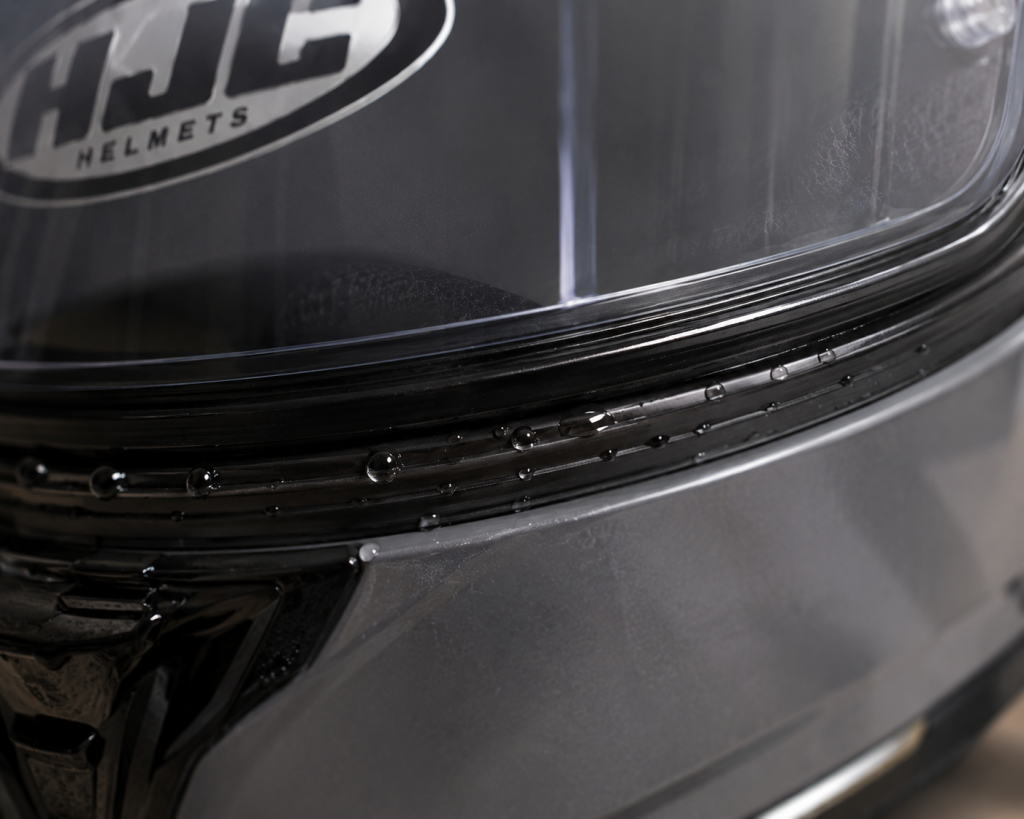
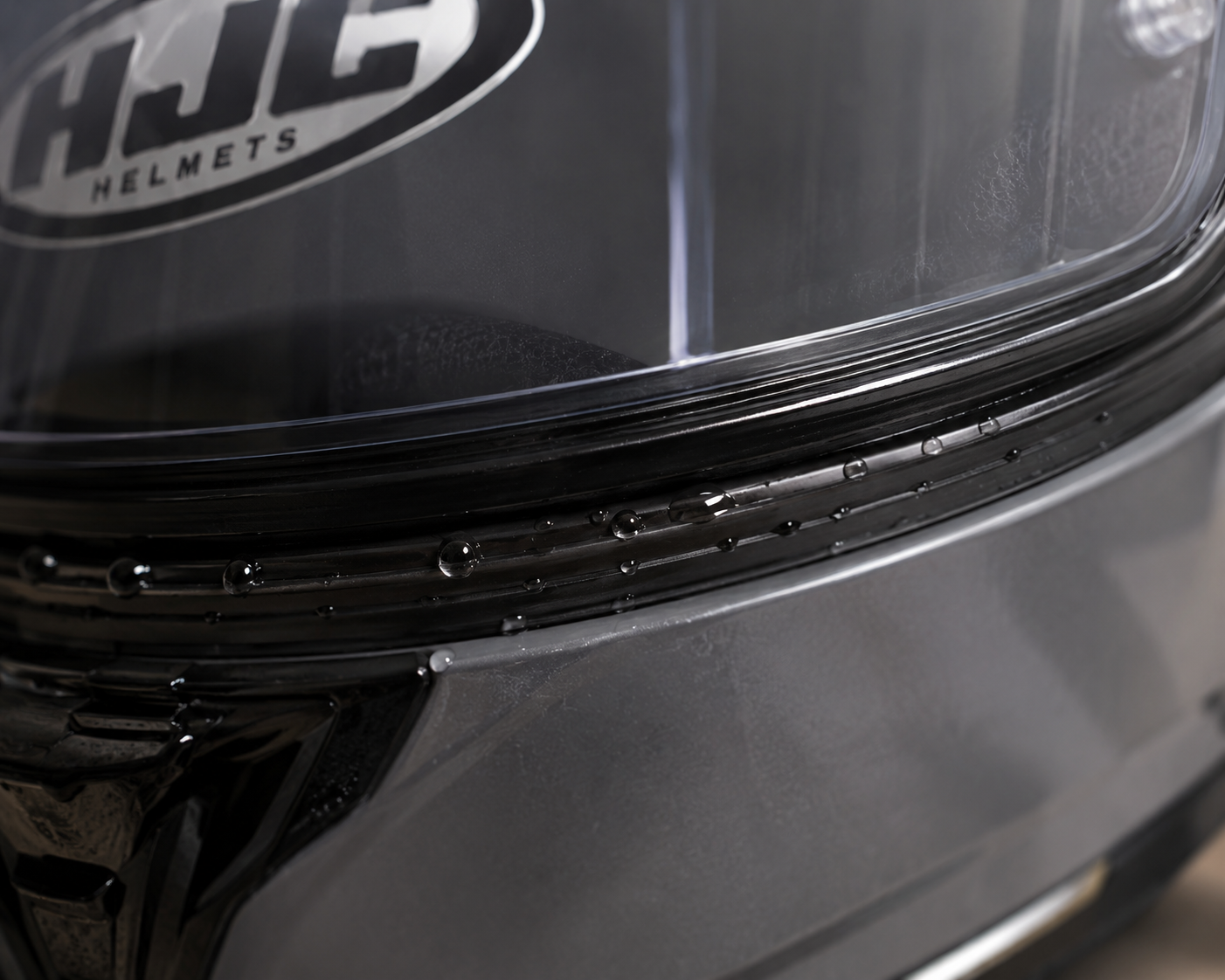
However, that silence is fragile. It relies entirely on a microscopic physical boundary: the interface between your HJC face shield and the rubber eyeport gasket.
If you’ve ever experienced a high-pitched whistling noise that sounds like a tea kettle at 100 km/h, or if you’ve had the “pleasure” of feeling a cold stream of rainwater drip down the inside of your visor during a storm, you have a seal failure. Most riders assume the helmet is “just old” or “broken,” but the truth is that these seals require specific, periodic maintenance to function.
In this expert guide, we will dive into the technical world of visor and gasket maintenance. We’ll cover the “Golden Rules” of optical cleaning, the secret to lubricating your seals with silicone, and the advanced technique of adjusting your HJC baseplates to eliminate wind whistling forever.
1. The Optical Shield: Cleaning Your Visor Without Creating “Starbursts”
Your HJC visor (whether it’s the HJC -38 on the i71 or the HJC -35 on the RPHA 1) is a masterpiece of polycarbonate engineering. It is hard-coated to resist scratches, but it is not invincible. The most common cause of visor ruin isn’t road debris—it’s well-intentioned riders using the wrong cleaning materials.
The Enemy: Paper Towels and Glass Cleaners
Never, under any circumstances, use paper towels or napkins to clean your visor. Paper is made from wood pulp, which contains microscopic abrasive fibers. To your visor, a paper towel is basically high-grit sandpaper. Similarly, household glass cleaners (like Windex) often contain ammonia, which chemically attacks the polycarbonate, causing it to become brittle and “foggy” over time.
The “Soak and Slide” Professional Method
The Pre-Soak: If your visor is covered in dried-on bugs from a long ride, do not scrub them. Lay a soaking wet, warm microfiber cloth over the visor for 5 minutes. This rehydrates the organic matter, allowing it to dissolve naturally.
The Cleaning Agent: Use a dedicated helmet cleaner or a simple mixture of lukewarm water and a drop of neutral baby shampoo.
The Microfiber Rule: Only use high-quality, clean microfiber cloths. Wipe in a linear motion (side-to-side), not circles. Circular motions create “swirl marks” that catch the glare of oncoming headlights at night, creating dangerous “starburst” effects.
Internal Coatings: Remember that the inside of many HJC visors features an anti-fog coating. Be even gentler on the inside; usually, just a damp microfiber and a light dab is all you need.
2. The Gasket Defense: Lubricating Your Way to Silence
The rubber eyeport gasket is the unsung hero of your helmet. It’s the flexible black seal that runs around the perimeter of the eye opening. Its job is to compress under the pressure of the visor to create an airtight and watertight bond.
Over time, exposure to UV rays, road salt, and dry air causes the rubber to lose its elasticity. It becomes “dry” and brittle, leading to micro-gaps. This is where wind whistling begins.
The Silicone Oil Secret
If you look inside the box of a premium HJC helmet like the RPHA 12 or i71, you will often find a tiny, clear bottle of silicone oil. This isn’t for the engine; it’s for your gaskets.
Frequency: You should lubricate your gaskets every 3 to 4 months, or after every deep wash.
The Application: Put a single drop of silicone oil on your fingertip or a Q-tip. Run it along the entire length of the rubber gasket. You don’t want it dripping; you just want the rubber to look “moist” and dark.
The Benefit: This keeps the rubber supple, allowing it to compress perfectly when the visor closes. It also prevents the visor from “sticking” to the gasket on hot days, which can tear the rubber when you try to open the shield.
3. Advanced Troubleshooting: Adjusting the Baseplates
Sometimes, even with a clean visor and lubricated gaskets, you still hear a persistent “hiss” of air on one side. This usually means your visor isn’t sitting flush against the gasket. This is common after a small drop or after thousands of miles of road vibrations.
HJC’s RapidFire Shield Replacement System allows for fine-tuning. If you look at the gear plates (the plastic parts on the side of the helmet), you’ll see they are held in by two screws.
How to Re-Align Your Seal:
Loose, Not Removed: Slightly loosen the screws on the side where the whistling is occurring. Do not remove them; just make them “finger-loose.”
Close and Compress: Close the visor and lock it into the central latch. While the visor is closed, physically push the gear plate backward toward the rear of the helmet. This forces the visor to press harder against the rubber gasket.
The Paper Test: Slide a thin piece of paper between the visor and the gasket. Close the visor. If you can pull the paper out with zero resistance, the seal is loose. Adjust the plate until the paper feels “pinched” by the visor.
Tighten Down: Once the alignment is perfect, tighten the screws back down. You have now mechanically “reset” your helmet’s weatherproofing.
4. Hydrophobic Treatments: To Rain-X or Not?
When riding in heavy tropical downpours, water droplets can “pool” on the visor, distorting your depth perception. Many riders reach for automotive Rain-X, but be careful. Standard Rain-X is designed for glass and contains solvents that can melt or “craze” polycarbonate plastic.
The Safe Choice: Only use products specifically labeled as “Safe for Plastics” or “Helmet Shield Water Repellent.”
The Application: Apply a thin layer to the exterior only. This causes water to bead up and fly off the visor at speeds as low as 40 km/h, significantly improving your visibility in the rain.
Pro Tip: Never use these products on the inside of the visor, as they will interfere with your Pinlock lens or anti-fog coatings.
5. Summary: Your Visor Maintenance Schedule
To keep your HJC performing like new, follow this tactical maintenance rhythm:
+---------------------+---------------------------------------------------+
| Interval            | Action Required                                   |
+---------------------+---------------------------------------------------+
| After Every Ride    | Wipe off bugs with a damp microfiber.             |
+---------------------+---------------------------------------------------+
| Once a Month        | Deep clean visor with baby shampoo; check pins.   |
+---------------------+---------------------------------------------------+
| Every 3 Months      | Lubricate rubber gaskets with silicone oil.       |
+---------------------+---------------------------------------------------+
| Bi-Annually         | Perform the "Paper Test"; adjust baseplates.      |
+---------------------+---------------------------------------------------+
| Yearly              | Inspect gasket for cracks; replace if dry-rotted. |
+---------------------+---------------------------------------------------+
Final Review Summary: Pros and Cons of Proper Maintenance
Pros
Enhanced Safety: Crystal clear vision at night and in the rain.
Reduced Fatigue: A quieter helmet prevents “highway hypnosis” and ear fatigue.
Longer Gear Life: Prevents the need for expensive visor or helmet replacements.
Waterproof Reliability: No more annoying drips inside your face shield.
Cons
Time Investment: Requires about 15 minutes of dedicated “bench time” every few months.
Specific Supplies: You need to keep silicone oil and high-quality microfibers on hand.
Final Verdict
Your HJC helmet is a high-performance machine, and like any machine, it requires a little “garage time” to stay at peak performance. By treating your visor with the “Microfiber Rule,” keeping your gaskets supple with silicone, and knowing how to tune your baseplates, you ensure that your helmet remains the silent, waterproof fortress it was designed to be. Don’t wait for a rainy day to find out your seals are failing—spend a few minutes this weekend giving your gear the attention it deserves. Your ears (and your eyes) will thank you.
